


-

Add: HeBei ShengShi HongBang Cellulose Technology CO.,LTD.
-

Email
13180486930@163.com -

CONTACT US
+86 13180486930
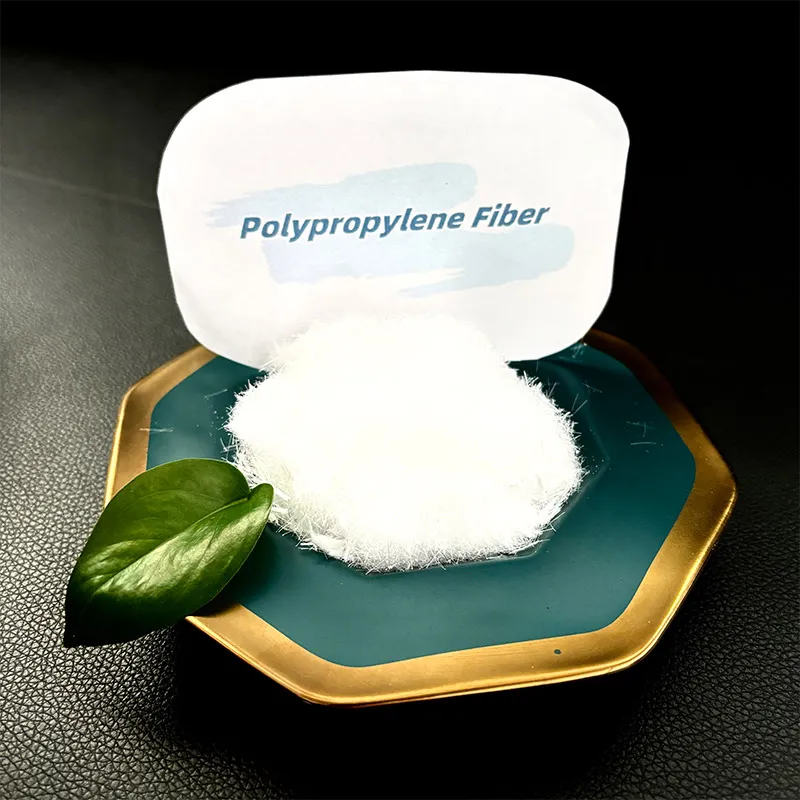



Polyolefin fibers, an essential component in the textile and manufacturing industries, have significantly gained attention due to their versatile applications and superior qualities. These fibers, derived from polymers such as polypropylene and polyethylene, offer a unique combination of properties that cater to numerous industrial needs, enhancing both product performance and durability. One of the most significant advantages of polyolefin fibers is their exceptional resistance to moisture. This property makes them an ideal choice for outdoor applications, where exposure to environmental elements like rain and humidity can quickly degrade other materials. For instance, agricultural fabrics designed to protect crops from the elements heavily rely on polyolefin fibers due to their robust water-repellent characteristics, ensuring longevity and consistent performance across seasons. Moreover, the high tensile strength of polyolefin fibers contributes importantly to their value in various industries. Their ability to withstand considerable stress without breaking or deforming makes them suitable for manufacturing high-strength ropes, fishing nets, and even geotextiles used in construction projects. This inherent strength not only extends the lifespan of the products made from these fibers but also enhances their reliability in critical applications, where failure is not an option. A prominent feature of polyolefin fibers is their inherent resistance to chemical attacks. This characteristic is particularly beneficial in environments where exposure to harsh chemicals or solvents is a concern, such as in industrial filtration systems or packaging materials. Products made from polyolefin fibers do not easily degrade when in contact with chemicals, ensuring both product integrity and safety over time. In the arena of sustainability, polyolefin fibers present a commendable profile. They are fully recyclable and contribute less to the overall carbon footprint compared to some other synthetic fibers. Their production process, largely driven by advances in polymer technology, has become more energy-efficient, allowing manufacturers to produce these fibers with reduced environmental impact. This aspect of sustainability positions polyolefin fibers favorably among environmentally conscious businesses aiming to incorporate more eco-friendly materials into their product lines. polyolefin fiber The light-weight nature of polyolefin fibers is another enticing benefit, leading to two major advantages—ease of handling and reduced transportation costs. Their low density results in lighter end products, which is particularly beneficial for applications in the automotive and aerospace industries, where weight reduction translates to improved fuel efficiency and performance. Polyolefin fibers thus contribute to overall cost savings , benefiting both manufacturers and end consumers. While the advantages are clear, incorporating polyolefin fibers into applications requires careful consideration of certain technical properties. Polyolefin fibers have a relatively low melting point compared to other synthetic fibers, which can be a limiting factor in high-temperature applications. However, this limitation is often addressed in innovative ways by blending polyolefin fibers with other materials or using them in environments where their low thermal resistance is not an issue. The expertise and authority of polyolefin fiber production have been greatly advanced by leading companies and research institutions globally. Their focus remains on refining the production processes and enhancing the fiber’s properties to meet the ever-evolving demands of the market. Extensive research and development activities ensure these fibers remain at the forefront of innovation, maintaining their status as a reliable and versatile material choice. Trustworthiness in the field of polyolefin fibers is further reinforced by strict compliance with international standards and certifications, which oversee the quality and environmental impact of these materials. Reputable manufacturers provide comprehensive data and transparency about their products, allowing consumers to make informed decisions based on verified performance metrics. In conclusion, polyolefin fibers represent a remarkable blend of performance, durability, and sustainability, making them indispensable across a variety of industrial sectors. Their distinctive properties provide tangible benefits, from extending product life to reducing environmental impacts, ensuring that polyolefin fibers will continue to be a material of choice for innovative solutions well into the future.
- 40000tons

Production
- 20+years

Experience
- 5000+㎡

Acreage

-
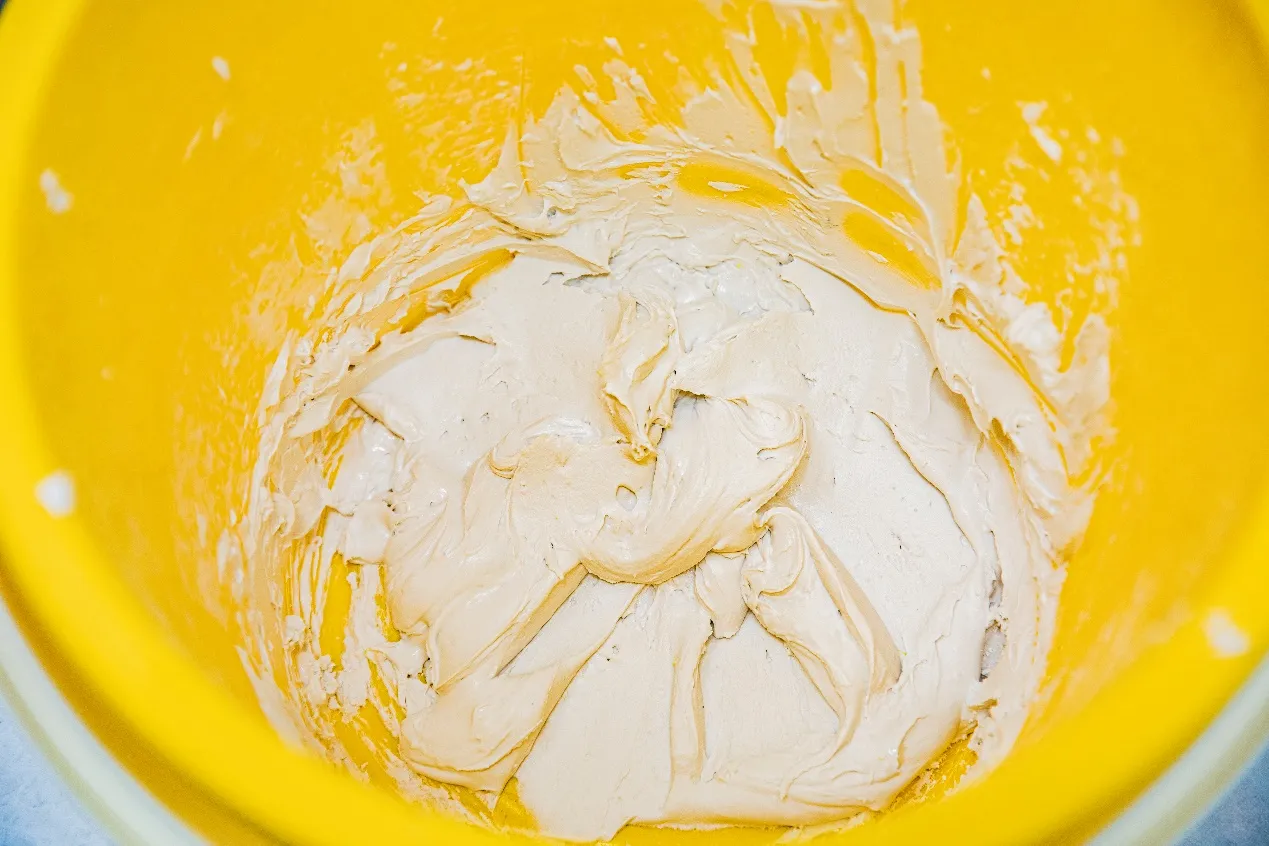
When it comes to versatile materials in various industries, HPMC Hydroxypropyl Methylcellulose stands out as a game-changer. Widely used across construction, pharmaceutical, and food industries, this remarkable compound offers a wide range of benefits. Let’s delve into why HPMC Hypromellose has become a preferred choice for manufacturers and developers. HPMC Cellulose: A Versatile Ingredient for Every Industry At the heart of HPMC Cellulose is its ability to act as a thickener, binder, and film-former. Derived from natural cellulose, it undergoes chemical modification to achieve the unique properties that make it indispensable. In construction, HPMC Cellulose enhances the performance of tile adhesives, plasters, and mortars by improving water retention and workability. In pharmaceuticals, it is a key excipient, offering consistency and safety in drug formulations. Its non-toxic nature and excellent solubility make it ideal for producing tablets, capsules, and even controlled-release medications. Beyond these industries, HPMC Hydroxypropyl Methylcellulose plays a crucial role in food production, serving as a stabilizer and emulsifier for a variety of products. HPMC Hydroxypropyl Methylcellulose: Revolutionizing Construction Materials The construction industry benefits greatly from HPMC Hydroxypropyl Methylcellulose due to its ability to improve the quality and efficiency of building materials. When used in dry mortar mixes, this compound enhances water retention, ensuring better curing and adhesion. This feature is essential for cement-based materials like plasters, grouts, and tile adhesives. Moreover, HPMC Hydroxypropyl Methylcellulose reduces shrinkage and cracking, making it a valuable addition to modern construction techniques. Its compatibility with various additives and fillers makes it versatile, while its eco-friendly nature aligns with the increasing demand for sustainable construction solutions. HPMC Hypromellose in Pharmaceuticals: The Key to Reliable Formulations In the pharmaceutical industry, HPMC Hypromellose is a cornerstone for producing high-quality medicines. Its role as a controlled-release agent ensures that active ingredients are delivered to the body at the right time and rate. This precision is critical for patient compliance and the effectiveness of treatments. Additionally, HPMC Cellulose is often used as a film-coating agent for tablets, offering a smooth, protective surface that enhances the stability and appearance of the final product. Its GRAS (Generally Recognized as Safe) status by the FDA underscores its reliability and safety in medical applications. HPMC Hydroxypropyl Methylcellulose: A Vital Component in Food Production Food manufacturers rely on HPMC Hydroxypropyl Methylcellulose for its exceptional functional properties. As a stabilizer and emulsifier, it ensures that food products maintain their consistency and quality over time. For instance, HPMC Hypromellose is widely used in sauces, dressings, and dairy alternatives to improve texture and prevent separation. This ingredient also plays a significant role in creating gluten-free baked goods. By mimicking the elasticity of gluten, HPMC Cellulose helps deliver soft, moist, and well-structured baked items that appeal to consumers with dietary restrictions. Its versatility and safety make it an ideal choice for innovative food formulations. Why Choose HPMC Hypromellose for Your Needs? Whether you are in construction, pharmaceuticals, or food production, HPMC Hypromellose offers unparalleled advantages. Its multifunctional properties—ranging from water retention and thickening to controlled-release capabilities—make it a valuable asset across various applications. Moreover, HPMC Hydroxypropyl Methylcellulose is cost-effective and environmentally friendly, making it a sustainable choice for industries aiming to minimize their ecological footprint. Its reliability, safety, and compatibility with other ingredients ensure consistent results, even in the most demanding environments. Embrace the benefits of HPMC Cellulose today and elevate the quality and performance of your products. Whether you’re building stronger structures, crafting innovative medications, or creating delectable food items, this versatile compound is the key to success.
-
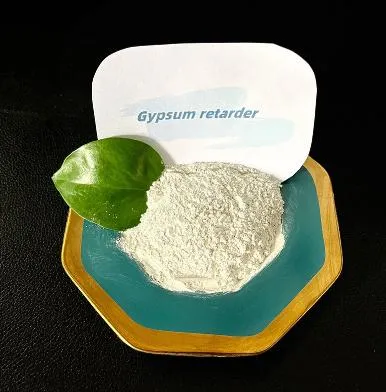
In the world of construction and remodeling, the use of plaster retarder is a nuanced topic that demands a deep understanding of its properties and applications. As a crucial additive in plastering projects, plaster retarders offer significant benefits, optimizing the pace and texture of projects for skilled artisans and large-scale construction firms alike. A plaster retarder is a specially-formulated compound added to gypsum plaster to slow down the setting process. This delay allows for greater flexibility in application, offering artisans more time to perfect the surface finish without the rush imposed by rapid-setting plasters. This controlled setting time is especially beneficial for intricate work and when working in warmer climates where the natural tendency of plaster would be to set prematurely. Through experience, the advantages of using plaster retarders become evident. Take the renovation of historic buildings , for instance. In such projects, preservationists often rely on plaster retarders to meticulously restore intricate moldings and architectural details. The ability to manipulate setting times ensures that every detail is captured accurately, maintaining the integrity and historical value of heritage sites. Artisans with extensive experience in restoration often advocate for the use of plaster retarders as they allow for the delicate precision required in such esteemed tasks. From an expert perspective, the use of plaster retarders must be approached with a keen understanding of the product's composition and its interaction with other materials. Plaster retarders primarily contain compounds such as citric acid or tartaric acid, which chemically interact with plaster to slow the hydration process. The ratios and mixtures can vary depending on the environmental conditions and the specific requirements of the project. Expertise in selecting the appropriate retarder and the correct application technique can make a substantial difference in the outcome of a plastering project. This proficiency ensures that the final product is not only aesthetically pleasing but also structurally sound. plaster retarder Authoritativeness in the use of plaster retarders can be gauged by referring to leading construction standards and guidelines. Various technical manuals and standards from the likes of ASTM International provide exhaustive guidelines on the proportioning and application of plaster retarders. Compliance with these established standards underscores a commitment to quality and precision in construction practices. Furthermore, choosing retarders manufactured by reputable companies with a history of quality and consistency adds an additional layer of reliability to the project outcomes. Trustworthiness, the final pillar, is paramount when selecting plaster retarders. Users must ensure that the products are sourced from verified suppliers offering detailed product information and certifications. An open dialogue with the manufacturer, discussing any site-specific concerns and receiving tailored advice, can further build trust. Testimonials and reviews from other construction professionals who have successfully used the product can offer invaluable insights and peace of mind. Ultimately, the judicious use of plaster retarders is not just about delaying the setting time of plaster. It's about enhancing the craftsmanship, ensuring quality, and achieving finishes that stand the test of time. Whether breathing life into a historic building or completing a new commercial structure, plaster retarders offer a level of control and precision that are indispensable to quality construction. For anyone seeking to enhance their plastering projects, gaining expertise in using plaster retarders represents a significant step towards professional mastery and excellence in the field of construction.
advantages
-

200000 Viscosities
Excellent product
We can produce pure products up to 200,000 viscosities
-

40000 tons
High yield
We don’t stop production all year round, and the annual output can reach 40,000 tons
-

24 hours
Quality service
We provide 24-hours online reception service, welcome to consult at any time
———— Inquiry Form
Schedule A services
-
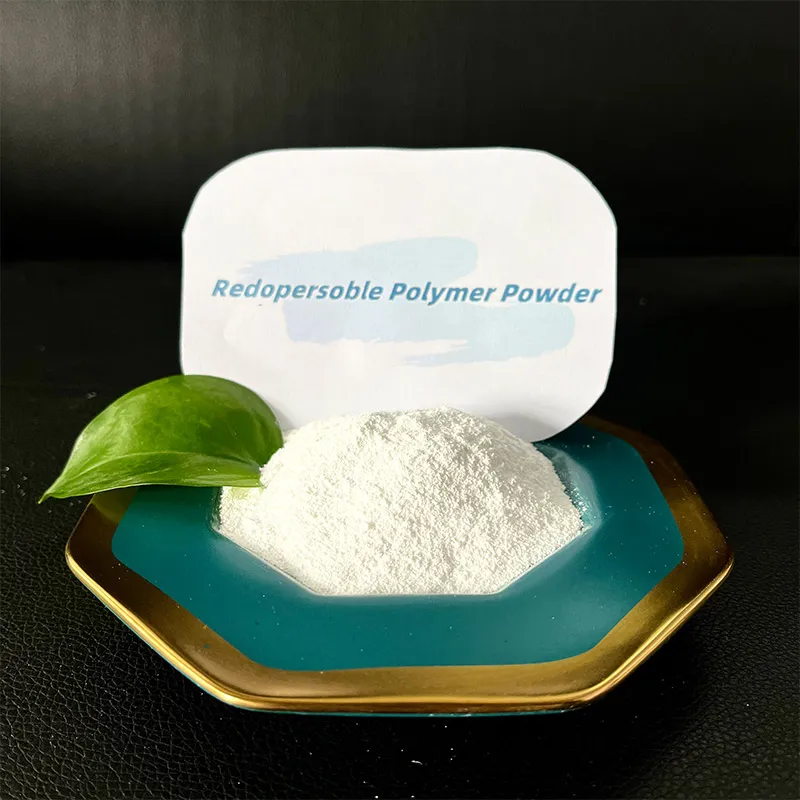 insulation_kuni_selulosi
Oct . 25, 2025
Hydroxymethyl cellulose , often encountered in its more prevalent derivative form hydroxypropyl meth -
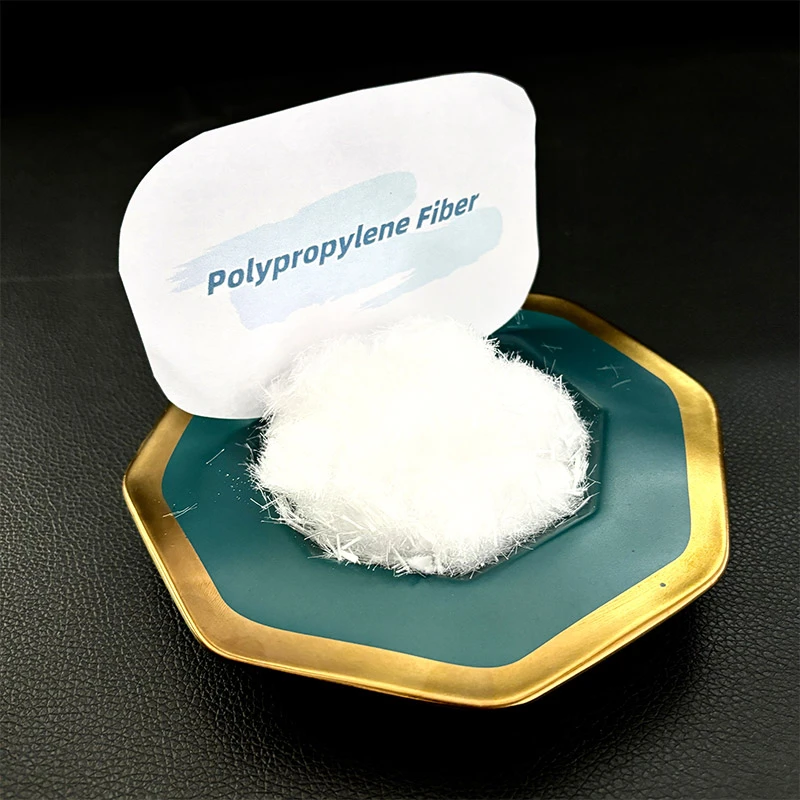 apa_itu_selulosa_kayu
Oct . 25, 2025
Understanding the Properties of Hydroxypropyl Methylcellulose Hydroxypropyl methylcellulose (HPMC) i - hibla_polypropylene
Oct . 25, 2025
Retaining optimal eye health in today’s digitally-driven world poses a significant challenge, with i


